

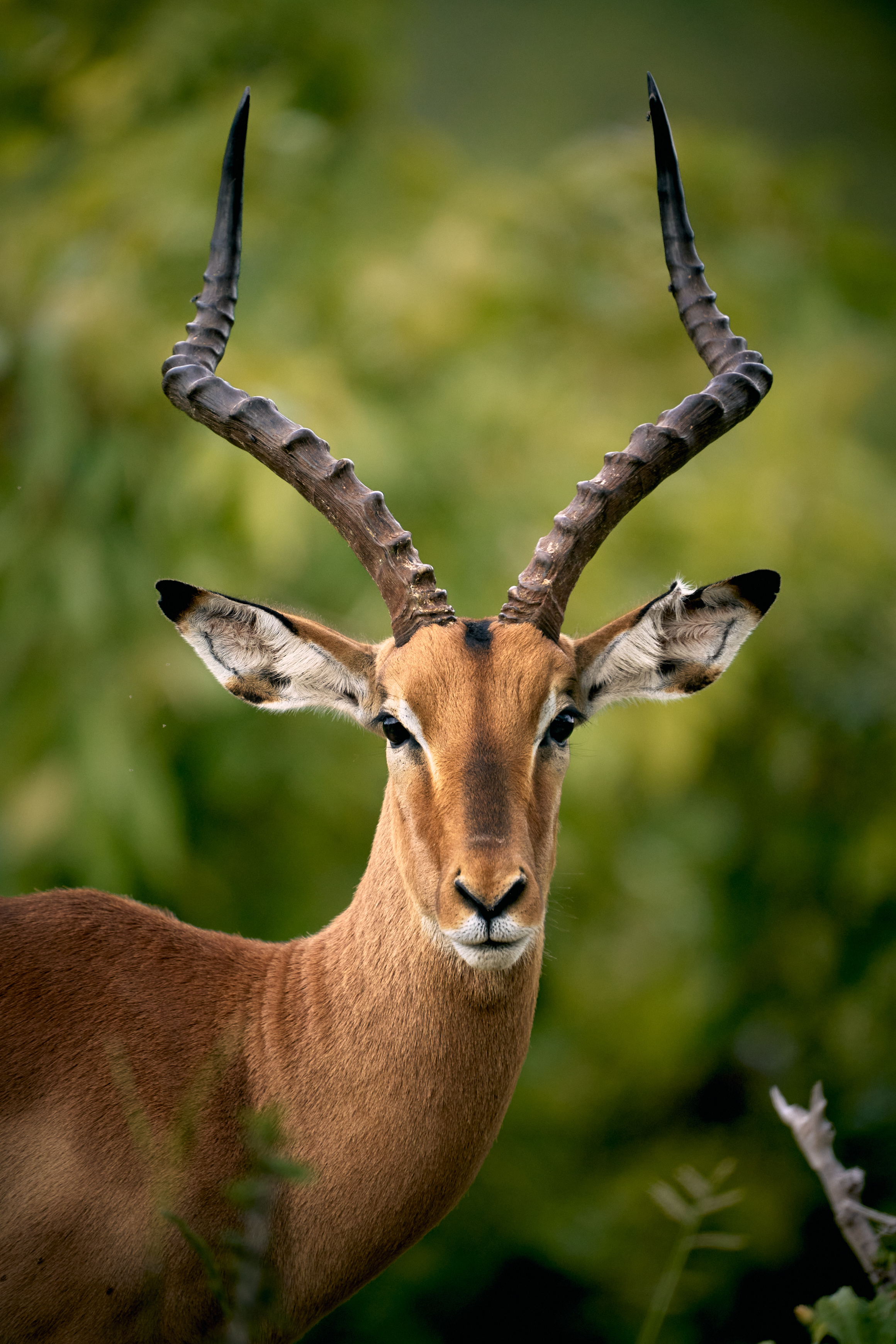
5 Essential Tips for Wildlife Photography
Wildlife photography is a discipline that requires equal parts patience, preparation, and respect for your subjects. After years of photographing animals across multiple continents, here are the five principles I found most valuable on our trip to the Kruger National Park.
1. Know Your Subject
Understanding animal behavior is perhaps more important than any camera setting. Before any wildlife shoot, I spend time researching:
- Daily patterns: When do they feed? Rest? Move?
- Seasonal behaviors: Migration, mating, nesting
- Warning signs: How to recognize stress or agitation
I’ll be honest, we had the most amazing guide driving us around the Kruger, who seemed to have an almost telepathic connection with the animals, and would be able to spot the tiniest of birds hidden in a thick shrub from 100m away… Without him, I’d probably have returned with 1/10th of the photos, and would have had a much less enjoyable experience (photographically speaking). So as a side tip, if you do plan on going on a safari of any sort, try your best to liase with a guide or company beforehand to plan a route somewhat tailored to your needs/desires. We were a party of 4 people and planned a route that meant nobody else was with us 90% of the time, and we could relax in each others company. A slight stroke of luck, but also massively added to the experience.
2. Light Makes the Image
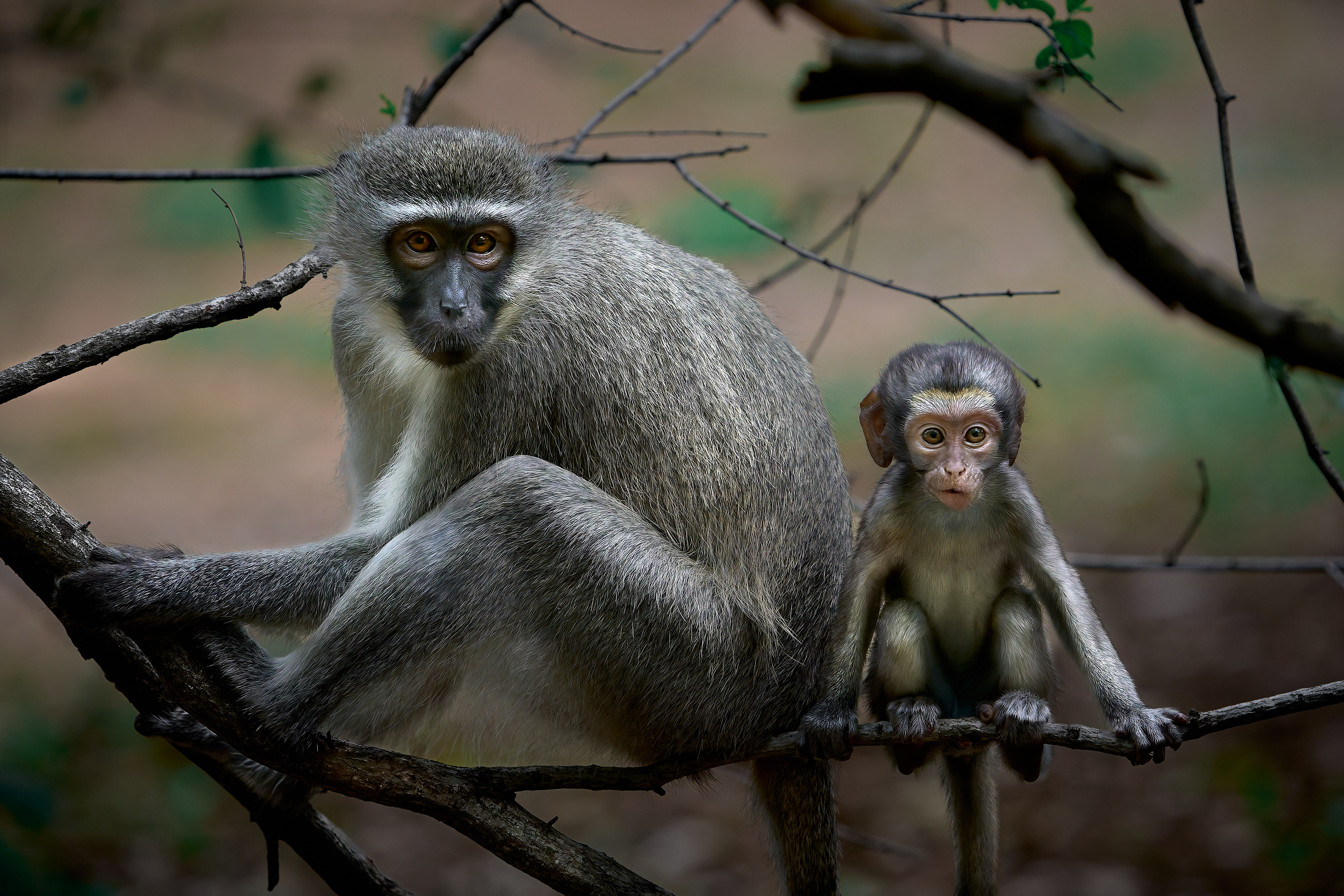
The best wildlife photographs are made in the early morning or late afternoon. The soft, warm light during these “golden hours” creates depth and drama that harsh midday sun simply cannot match.
We sacrificed sleep to be in position before sunrise (mainly for my benefit as the designated photographer, but nothing a good pot of coffee for everyone in the morning couldn’t solve as “my penance”). Those magical first rays of light catching a lion’s mane or a deer’s breath in the cold morning air are worth any amount of early alarm calls.
3. Patience is Non-Negotiable
Some of my favorite images have required hours of waiting. Wildlife operates on its own schedule, not yours.
We quickly learned to embrace the waiting. Bring a book (or good company), practice mindfulness, or simply observe. Often, the waiting time reveals behaviors and patterns that inform better photographs later.
4. Gear Matters, But Less Than You Think
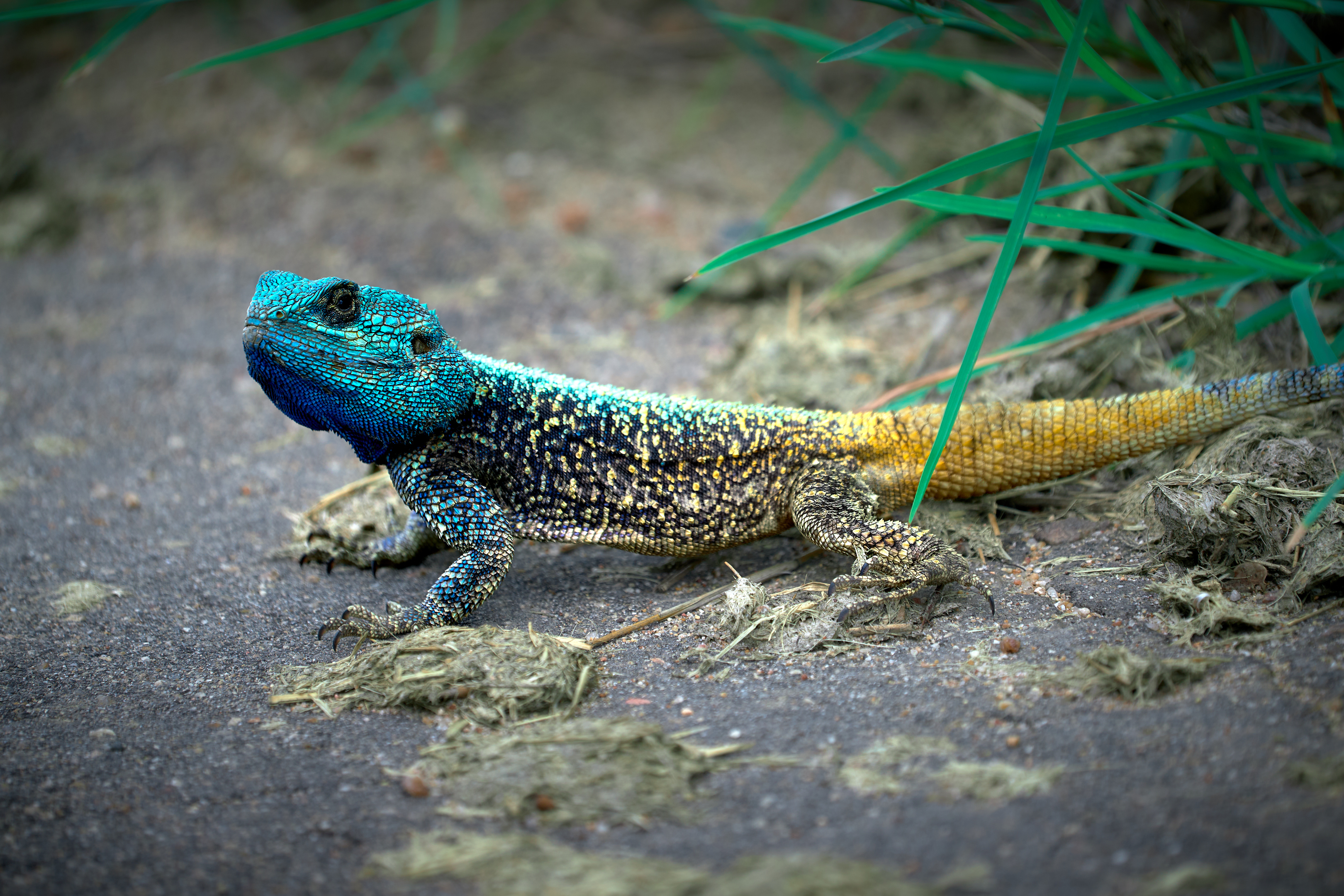
Yes, long telephoto lenses help. Image stabilization is wonderful. But I’ve seen stunning wildlife images made with modest equipment by photographers who understood their tools intimately.
My advice: Master what you have before investing in more gear. A photographer who knows their 200mm lens inside out will often outshoot someone fumbling with an unfamiliar 600mm.
I brought two camera bodies with me. A Sony A9II as the ‘faster’ camera for ‘blink and you’ll miss it’ wildlife action, with a Sony 200-600mm lens almost permenantly attached, and my old faithful Sony A7RII had either a 70-200mm (sometimes with a 1.4xTC), or a 24-105mm OR a 16-35mm. I figured the camera was plenty fast enough if set up properly, but also opened some cropping avenues due to the higher MP count. I’ve since sold both of those cameras and picked up two used Sony A1 bodies for professional work, which are like both the A9II and A7RII combined, but better at EVERTYHING (fast AF, higher MP count…etc). Yet to take them into the wild though.
5. Ethics First, Always
The welfare of wildlife must always come before the photograph. This means:
- Never baiting or luring animals
- Maintaining safe distances
- Recognizing signs of disturbance and backing off
- Following local regulations and guide instructions
A great photograph obtained through harassment isn’t worth having. Our role as wildlife photographers should be to document and celebrate nature, not to disturb it.
Keep Learning
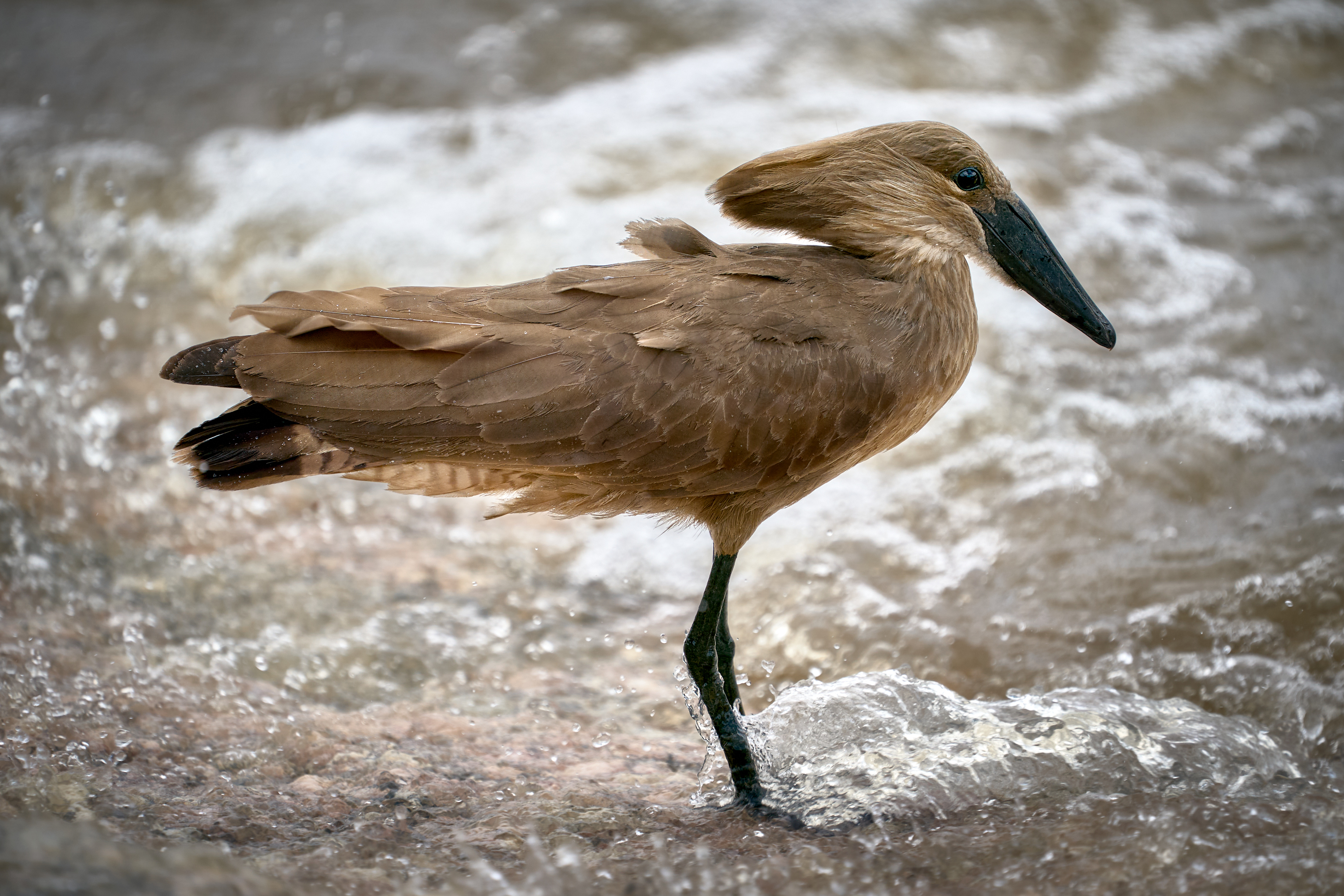
Every trip into the field teaches me something new. The best wildlife photographers I know maintain a humble curiosity, always ready to learn from the animals, the environment, and fellow photographers.
What tips have you found valuable in your wildlife photography? I’d love to hear your experiences.